Immovable Property: The Ultimate Guide to Real Estate Assets
Master the concept of immovable property. Learn about types, legal rights, and transfer rules for immovable property in this comprehensive 2026 guide.

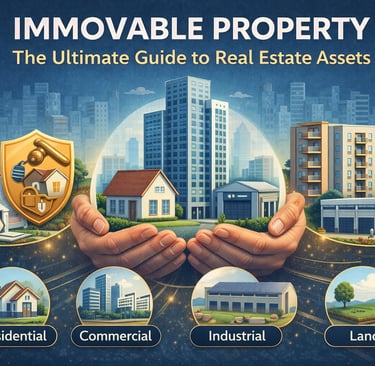
The concept of immovable property forms the bedrock of the global economy and the legal framework of land ownership. From the towering skyscrapers in urban centers to the sprawling agricultural lands in the countryside, immovable property represents more than just physical space; it embodies stability, wealth, and legal permanence. In legal and financial terms, understanding what qualifies as immovable property is essential for anyone looking to invest, inherit, or manage real estate assets.
In this exhaustive guide, we explore the intricate nuances of immovable property, distinguishing it from its movable counterparts and examining the various rights associated with its ownership. As the market evolves in 2026, the digital integration of land records and the globalization of real estate markets have made the definition of immovable property more relevant than ever. Whether you are a first-time homebuyer, a seasoned investor, or a legal professional, grasping the core tenets of immovable property is the first step toward securing your financial future.
This article serves as a definitive resource on immovable property, providing a deep dive into its legal definitions, practical applications, and the evolving landscape of asset management. By the end of this exploration, you will have a comprehensive understanding of why immovable property remains the most sought-after asset class in the world.
Defining Immovable Property in the Modern Era
At its core, immovable property refers to any asset that is fixed to the earth and cannot be moved without losing its identity or altering its character. Unlike a vehicle or a piece of furniture, immovable property is permanent. The legal definition often includes land, buildings, and things permanently attached to the earth, such as trees or minerals underground. Understanding immovable property requires looking beyond the surface; it includes the air rights above the land and the subterranean rights beneath it.
The Core Characteristics of Immovable Property
What makes an asset an immovable property? There are three primary characteristics:
Fixity: The asset is geographically stationary.
Permanence: Immovable property is durable and long-lasting.
Legal Identification: Every piece of immovable property has a unique legal description and registration. Because of these traits, immovable property is often used as collateral for high-value loans, as its presence is guaranteed and its value tends to appreciate over time.
Immovable Property vs. Movable Property: Key Differences
The distinction between immovable property and movable property is vital for tax and legal purposes. While movable property includes assets like cash, jewelry, and electronics, immovable property consists of land and structures.
Registration: Immovable property usually requires a formal deed registration with the government.
Taxation: Stamp duty and property taxes are specific to immovable property.
Transfer: Transferring immovable property is a complex legal process, whereas movable property often changes hands through simple delivery.
Common Types of Immovable Property
There are several categories under the umbrella of immovable property:
Residential Land: Land intended for housing.
Commercial Buildings: Offices, malls, and warehouses.
Industrial Sites: Factories and manufacturing plants.
Agricultural Land: Property dedicated to farming and crop production. Every type of immovable property carries different zoning laws and investment potentials, making it crucial to identify the specific category before acquisition.
The Legal Rights Associated with Immovable Property
Ownership of immovable property is not a singular right but a "bundle of rights." These include:
The Right of Possession: To physically occupy the immovable property.
The Right of Control: To manage the use of the immovable property.
The Right of Exclusion: To keep others off the immovable property.
The Right of Disposition: To sell, lease, or gift the immovable property. In many jurisdictions, these rights regarding immovable property can be split, such as when a landlord owns the property but a tenant has the right of possession.
How to Transfer Immovable Property Safely
Transferring immovable property involves a series of legal checks and balances. The most common methods include:
Sale Deed: The most frequent way to transfer immovable property for a monetary value.
Gift Deed: Transferring immovable property out of love and affection without money.
Inheritance: Passing immovable property through a will or succession laws. Ensuring that the title of the immovable property is clear of any encumbrances or legal disputes is the most critical step in this process.
The Role of Immovable Property in Wealth Building
Historically, immovable property has been the primary vehicle for generational wealth. Because the supply of land is finite, immovable property acts as a natural hedge against inflation. Unlike volatile stocks, immovable property provides a tangible sense of security. Investors often prioritize immovable property for its dual benefit of rental income and long-term capital appreciation, making it a cornerstone of a balanced investment portfolio.
Environmental and Zoning Regulations for Immovable Property
Not all immovable property can be used freely. Governments impose zoning laws that dictate whether an immovable property is for residential, commercial, or industrial use. Furthermore, environmental regulations protect immovable property located in sensitive areas like wetlands or forests. Understanding these restrictions is vital before purchasing immovable property, as they can significantly impact the asset's utility and market value.
Digitalization and the Future of Immovable Property
The way we interact with immovable property is changing. In 2026, blockchain technology is increasingly used to record immovable property transactions, reducing fraud and speeding up the transfer process. Smart contracts can now automate lease agreements for immovable property, and virtual tours allow buyers to inspect immovable property from across the globe. This digital shift is making immovable property more liquid and accessible than ever before.
Expert Insights on Investing in Immovable Property
Experts suggest that the key to success in immovable property is "location, location, location." However, in the modern market, the infrastructure surrounding the immovable property—such as proximity to high-speed rail, tech hubs, and green spaces—is equally important. Diversifying your immovable property portfolio across different geographic regions can also mitigate risks associated with local economic downturns.
Why You Should Choose Immovable Property as an Investment
Choosing immovable property over other assets offers unparalleled stability. While a company can go bankrupt, the land—the immovable property—remains. It is a physical asset that you can improve, develop, or leverage. For those seeking long-term financial independence, immovable property provides a predictable and controllable path to success that few other asset classes can match.
Conclusion – Final Thoughts on Immovable Property
In summary, immovable property is the most enduring form of wealth. From its legal definition to its role in modern finance, immovable property touches every aspect of our lives. As we move further into a digital age, the intrinsic value of physical immovable property continues to grow. Whether you are buying your first home or building a commercial empire, a deep respect for and understanding of immovable property will serve as your greatest asset.
Conclusion
The journey through the world of immovable property reveals a landscape rich with opportunity and complexity. As we have discussed, immovable property is more than just dirt and bricks; it is a legally protected asset that provides shelter, income, and a legacy for future generations. By focusing on the core principles of immovable property—from proper title verification to understanding zoning laws—you can navigate the real estate market with confidence.
As the economy shifts, immovable property remains a steadfast pillar of stability. Its ability to adapt to new technologies while retaining its physical permanence makes immovable property the ultimate long-term investment. Whether you are looking to secure your family's future or grow your business, investing in immovable property is a decision that stands the test of time. Take the steps today to educate yourself and strategically acquire immovable property that aligns with your goals.
Looking for Studio Apartment Investment?
The decision to invest in a Cyber Arch IT Park Studio Apartment Greater Noida is a vote for stability and growth in a dynamic market. The unique combination of factors makes it a top-tier choice:
Dual-Purpose Demand: Catering to both commercial (IT Park) and residential (Studio Apartment) demand simultaneously.
Strategic Pinpoint Location: Its address in Knowledge Park 5, next to Delhi World Public School, is superior for both rental yield and accessibility.
Low-Ticket Investment, High-Yield Potential: The studio apartment format offers an accessible entry point to the high-growth Greater Noida West market, maximizing the ROI potential from a single Cyber Arch IT Park Greater Noida.
Frequently asked questions
Q1. What is the simplest definition of immovable property?
A1. Immovable property is any asset fixed to the earth that cannot be moved without damage. This includes land, houses, and trees. Unlike movable goods, immovable property is permanent and requires legal registration for any transfer of ownership.
Q2. Is a leasehold considered immovable property?
A2. Yes, a leasehold interest in land is categorized under immovable property rights. While the tenant does not own the land, their right to use the immovable property for a specific period is a legally recognized interest in that property.
Q3. How does immovable property differ from real estate?
A3. While the terms are often used interchangeably, immovable property is a broader legal term. It encompasses the land and anything permanently attached, whereas real estate usually focuses on the land and buildings specifically for sale or lease. Both concepts center on the permanence of immovable property.
Q4. Can trees be considered immovable property?
A4. Yes, trees that are rooted in the soil are generally considered immovable property. However, if trees are intended to be cut down for timber, they may be treated differently under certain laws, but while standing, they remain part of the immovable property.
Q5. Why is registration necessary for immovable property?
A5. Registration provides a public record of ownership for immovable property. This prevents fraud, ensures the government can collect taxes on the immovable property, and gives the owner a clear legal title that can be used for future sales or as collateral.
Q6. What are the tax implications of owning immovable property?
A6. Owners of immovable property are typically subject to annual property taxes. Additionally, when immovable property is sold, capital gains taxes may apply. These taxes are based on the assessed value and the profit made from the immovable property transaction.
Cyber Arch IT Park
Cyber Arch IT Park in Knowledge Park 5 offers premium corporate suites designed as fully furnished studio apartments. Coming Soon in Kp5. Call 01169312815
For Site Visit - 01169312815
Contact Us - 01169312815
© 2025. Cyber Arch IT park Knowledge park 5 All rights reserved. Official Number 01169312815Golde Calln Beads Hospitality Private Limited